
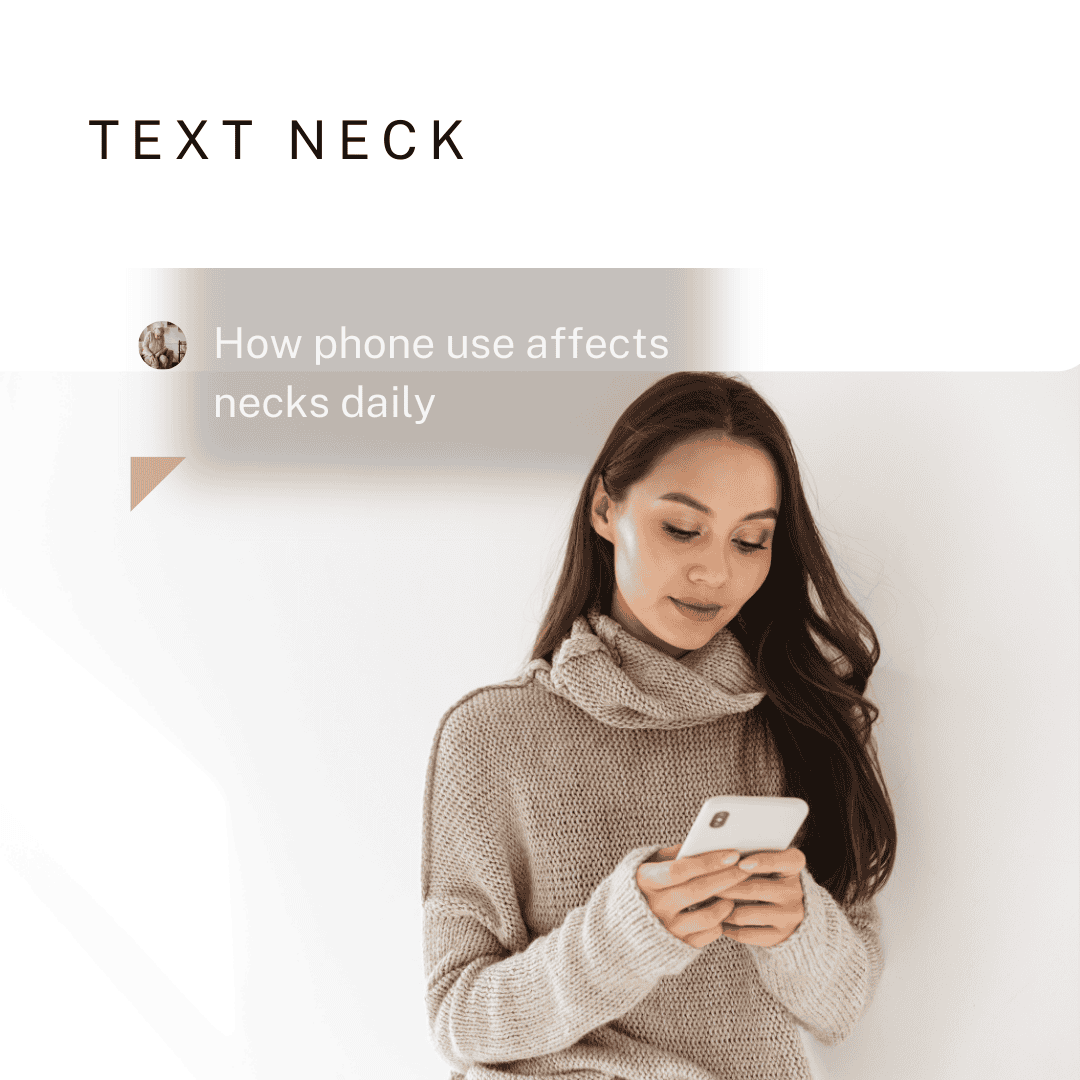
Understanding Text Neck
Text neck is a condition characterized by neck pain resulting from prolonged periods of looking down at electronic devices such as smartphones and tablets. As our reliance on digital technology increases, this issue has become more prevalent in daily life. Text neck is not just a buzzword; it reflects a growing concern for health and well-being in the digital age. With an average person spending over four hours daily on their phones, the strain on the neck has become a significant concern for medical professionals.
Statistics show that text neck affects various age groups. Studies indicate that approximately 50% of teenagers and young adults experience text neck symptoms. The prevalence is not limited to younger demographics; adults in their 30s and 40s also report significant discomfort. A survey conducted by the American Chiropractic Association revealed that about 80% of people experience neck pain linked to poor posture from device usage. This widespread issue highlights the importance of understanding text neck and its implications for a broad audience.
The anatomy involved in text neck primarily includes the cervical spine, neck muscles, and surrounding soft tissues. When an individual tilts their head forward, it increases the load on the neck. The human head averages a weight of 10 to 12 pounds. However, this weight can feel significantly heavier due to poor posture, leading to muscle strain, stiffness, and pain. Over time, the constant forward head posture can contribute to long-term spinal issues, such as degenerative disc disease and nerve compression. Understanding this anatomy is crucial for recognizing how to address text neck effectively.
Identifying Text Neck Symptoms
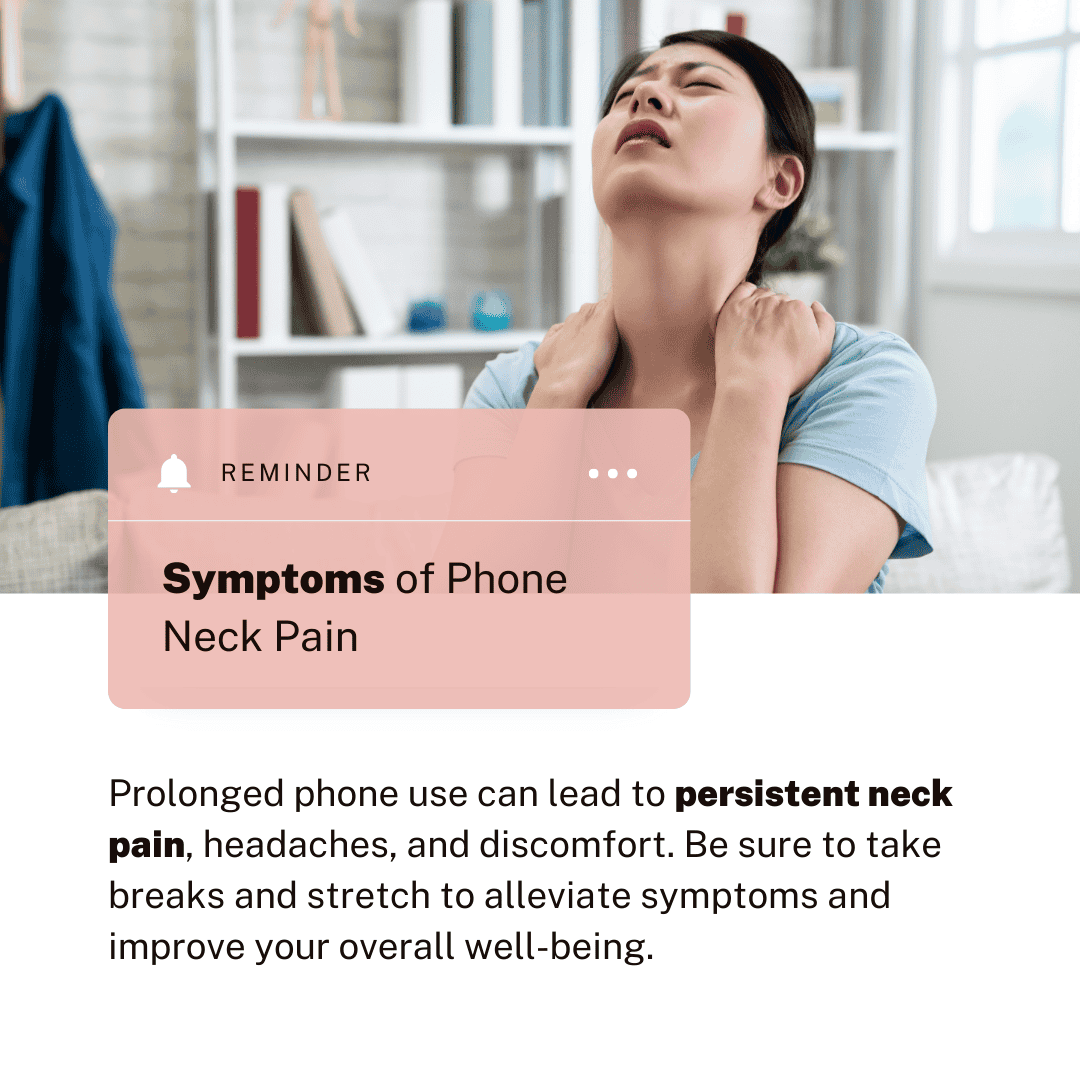
Text neck symptoms are common and can significantly impact daily life. These symptoms often arise from prolonged periods of looking down at devices, leading to discomfort and pain. Common symptoms associated with text neck pain include:
- Persistent neck pain and stiffness
- Tension headaches
- Pain radiating down the arms
- Numbness or tingling in the neck
- Upper back pain
- Reduced range of motion in the neck
Recognizing text neck symptoms early is crucial for effective treatment. Individuals should pay attention to the signs, especially if they experience discomfort after extended device use. If neck pain occurs alongside headaches or tingling sensations, it may indicate the onset of text neck. Monitoring posture while using devices can help identify potential issues before they escalate into chronic pain.
Text neck pain often feels different from other types of neck pain. While general neck pain may stem from various causes such as muscle strain, cervical issues, or injuries, text neck pain is specifically linked to device use and poor posture. Unlike other forms of neck pain, text neck usually presents with a forward head posture, increased stiffness, and discomfort particularly after long sessions of looking down at screens. By understanding these distinctions, individuals can better recognize when they might be experiencing text neck symptoms.
Causes of Text Neck
Text neck is primarily caused by the extensive use of smartphones and tablets. People often bend their heads forward for long periods while texting or browsing. This position increases the strain on the neck muscles. The average head weighs between 10 to 12 pounds. When leaning forward, the effective weight on the neck can increase to 27 pounds or more. This excessive strain leads to discomfort and pain.
Poor ergonomics in daily activities also play a significant role in developing text neck. Many people do not consider their posture while sitting at desks or using mobile devices. Common habits include slouching or craning the neck forward. These postures contribute to muscle imbalances and increased tension in the neck and upper back. Without proper support and alignment, the spinal structures become compromised over time.
Lifestyle factors further contribute to the rise of text neck. Sedentary behavior, such as sitting for long periods, has become commonplace in modern life. People often engage in activities that require prolonged device use without breaks. Lack of awareness about the importance of posture and regular physical activity leads to weakened neck muscles. This creates an environment where text neck symptoms can thrive.
Remedies for Text Neck
Remedies for text neck focus on alleviating pain and preventing future discomfort. Effective strategies include exercises, ergonomic adjustments, and lifestyle changes. These methods not only address the immediate symptoms but also help in strengthening the neck and upper back muscles to avoid recurring issues.
Exercises and stretches are vital in managing text neck symptoms. Some beneficial exercises include:
- Neck retraction: Pull your head straight back while keeping your jaw and eyes level.
- Upper back stretch: Bend your elbows, point your fingers backward, and pull your shoulder blades down.
- Shoulder circles: Rotate your shoulders in a circular motion to release tension.
- Side-to-side neck stretches: Look over each shoulder to improve flexibility.
Incorporating these stretches into a daily routine can effectively relieve tension and discomfort in the neck area. - Heating pad for neck: By using a heating pad for neck like SandPuppy Neckwrap, once can reduce stiffness in the neck and feel relief.
Ergonomic adjustments play a crucial role in preventing text neck. Positioning devices at eye level can significantly reduce neck strain. Using tools like laptop stands and phone holders ensures that screens remain at a comfortable viewing angle. Additionally, taking regular breaks while using electronic devices is essential. Setting reminders to stretch and change positions can help maintain proper posture throughout the day. By implementing these adjustments and following an exercise regimen, one can effectively address the discomfort associated with text neck.
Prevention Strategies for a Pain-Free Life
Preventing text neck requires some key lifestyle changes. First, reducing screen time is crucial. Try to limit the time spent on mobile devices and computers. When you do need to use them, set specific periods to avoid prolonged use. This helps reduce the risk of neck strain.
Regular breaks from screens are essential. Aim to take a break every 20 to 30 minutes if you are using devices for extended periods. During these breaks, stand up, stretch your neck and shoulders, and walk around. This practice can alleviate pressure and enhance blood circulation, which helps to prevent tension in the neck muscles.
Good posture is vital when using mobile devices. Hold your phone at eye level instead of looking down. If sitting, choose a chair that supports a comfortable posture. Keep your back straight, shoulders relaxed, and feet flat on the floor. By making these small adjustments, you can significantly lower the risk of developing text neck symptoms.
When to Seek Pr ofessional Help
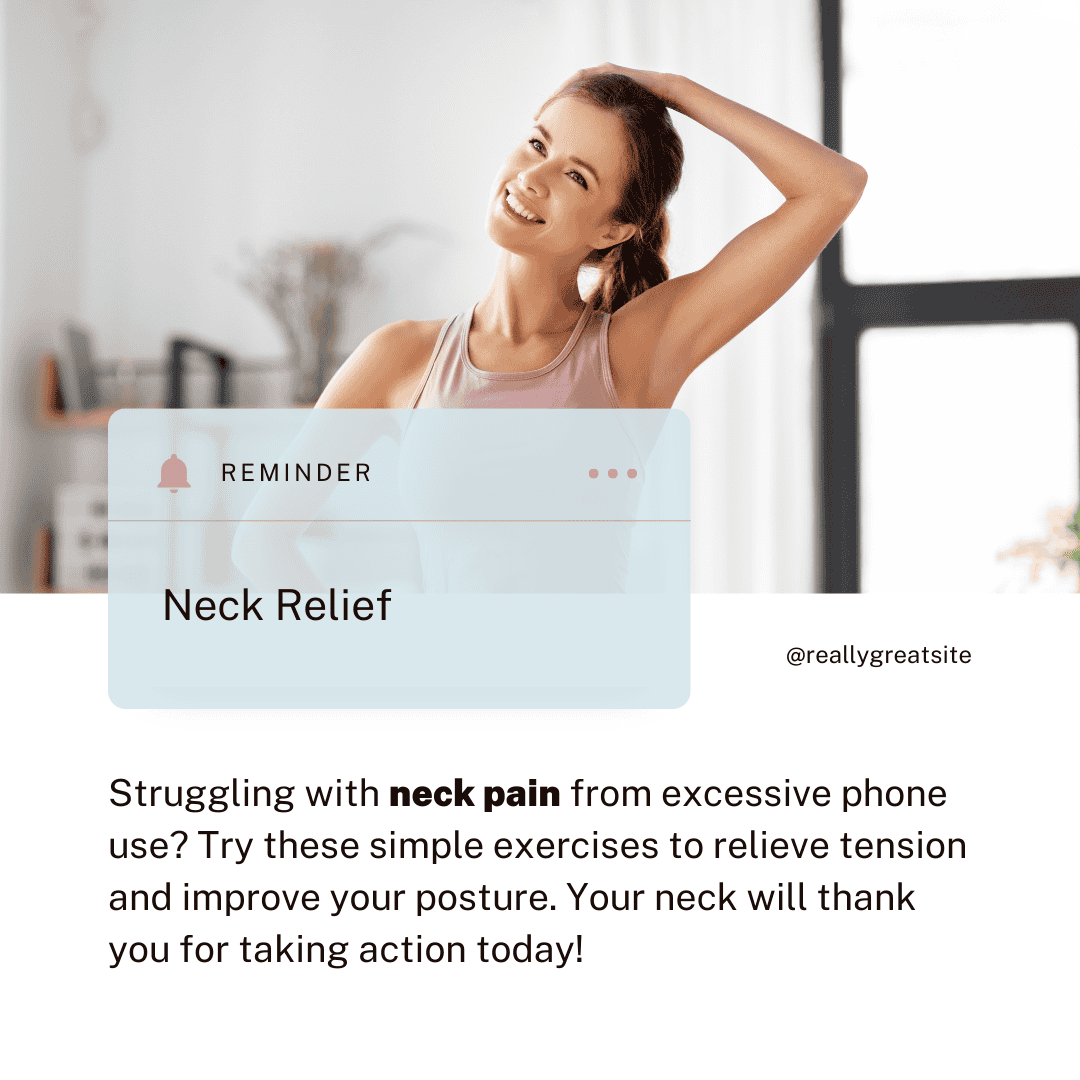
Individuals experiencing persistent text neck symptoms should consider seeking professional help. Key indicators include:
- Chronic neck pain that lasts more than a few weeks.
- Numbness or tingling sensations radiating down the arms.
- Severe headaches that do not respond to over-the-counter medication.
- Sudden, sharp pain when looking down or turning the head. If any of these symptoms occur, timely medical intervention is important to prevent further complications.
Healthcare professionals can provide various treatments for text neck. Physical therapists can design customized exercise programs aimed at strengthening neck and upper back muscles. Chiropractic care can help with spinal alignment and relieve tension. In some cases, massage therapy may provide relief for tight muscles. For individuals with severe pain, healthcare providers may recommend pain management techniques, such as acupuncture and medications.
Managing chronic text neck pain often requires a multi-faceted approach. Patients should consider practicing posture correction techniques and engaging in regular stretching exercises. Frequent breaks from devices can help alleviate strain on the neck. Ergonomic adjustments, such as using device stands, can encourage proper alignment. Keeping devices at eye level is also crucial in preventing further neck strain.
What is text neck and what causes it?
Text neck is a condition characterized by neck pain resulting from prolonged periods of looking down at electronic devices such as smartphones and tablets. Our reliance on digital technology, poor posture, and lifestyle factors contribute to the development of text neck.
How common is text neck and who does it affect?
Text neck affects various age groups, with approximately 50% of teenagers and young adults experiencing symptoms. Adults in their 30s and 40s also report significant discomfort. Studies indicate that about 80% of people experience neck pain linked to poor posture from device usage.
What are the symptoms of text neck?
Common symptoms of text neck include persistent neck pain and stiffness, tension headaches, pain radiating down the arms, numbness or tingling in the neck, upper back pain, and reduced range of motion in the neck.
How can text neck be recognized and treated early?
Recognizing text neck symptoms early is essential for effective treatment. Paying attention to signs of discomfort after extended device use, monitoring posture, and seeking help if neck pain occurs alongside headaches or tingling sensations can aid in early recognition and treatment.
What are some exercises and ergonomic adjustments that can help manage text neck symptoms?
Exercises such as neck retraction, upper back stretches, shoulder circles, and side-to-side neck stretches can help relieve tension and discomfort. Ergonomic adjustments like positioning devices at eye level, using laptop stands and phone holders, and taking regular breaks from screens are also beneficial.
What lifestyle changes can prevent text neck?
Reducing screen time, taking regular breaks, maintaining good posture while using devices, and seeking professional help for persistent symptoms are key lifestyle changes that can help prevent and manage text neck.
When should individuals seek professional help for text neck symptoms?
Individuals should consider seeking professional help if they experience chronic neck pain lasting more than a few weeks, numbness or tingling sensations down the arms, severe headaches unresponsive to over-the-counter medication, or sudden sharp pain when looking down or turning the head.
